




,
How Long Does It Take Police to Respond to a Highway Crash?


On Interstate 5, police response time to a highway crash depends on logistics, weather, and current call volume. While you may expect immediate help, the actual arrival speed is determined by whether the accident occurs in a congested metro hub or a remote rural stretch.
A police response time highway crash investigation starts the moment a 911 call is placed. Dispatchers must pinpoint the location and assess injuries to prioritize the dispatch.
On I-5, an officer might be only miles away in a city center but slowed by gridlock, whereas in rural areas, the sheer distance between patrol zones often dictates how fast officers arrive at the accident scene.
How The Priority System for Emergency Calls Works
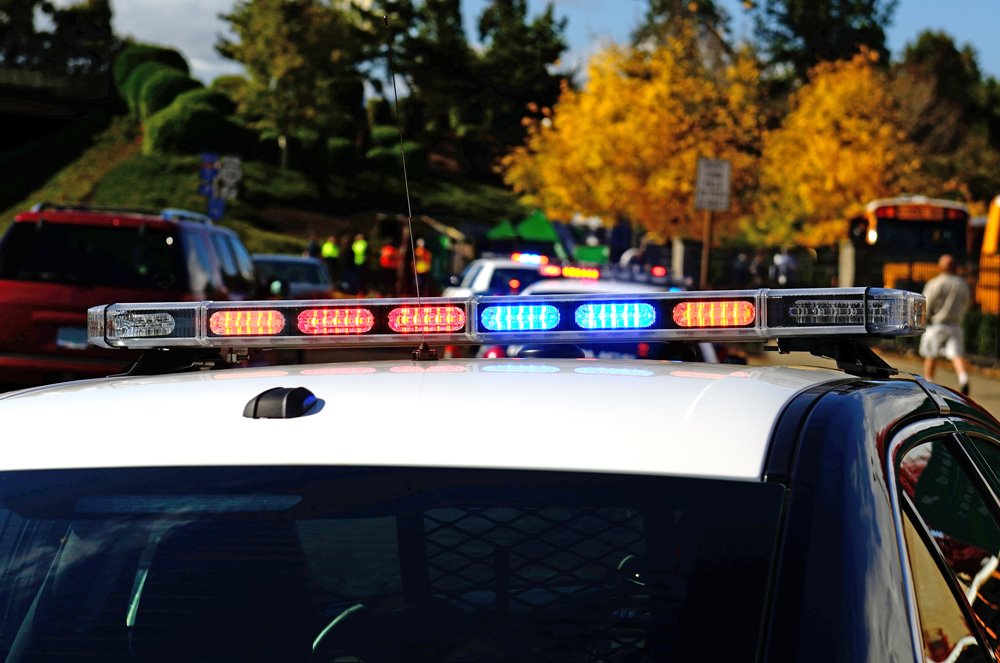
Emergency dispatchers use a ranking system to decide which calls get the fastest response. A collision that involves injuries, fire, or a blocked lane of travel is treated as a top priority. In these cases, officers will use sirens and lights to move through traffic as quickly as possible.
If the accident only involves minor property damage and the vehicles are safely moved to the shoulder, the response may take longer because officers are often diverted to more life-threatening emergencies happening at the same time.
When a high-priority crash occurs, multiple units may be dispatched simultaneously to manage different tasks. While one officer focuses on the people involved, others might be needed to divert traffic or set up flares to prevent secondary collisions.
This coordination takes time, and the goal is always to stabilize the scene before starting the formal reporting process. If you are waiting at a scene where no one is hurt, it is common for several minutes to pass while police handle more urgent situations nearby.
How Traffic Congestion Impacts Arrival Speed
One of the biggest hurdles for law enforcement on Interstate 5 is the very traffic the accident has likely created. When a crash happens during rush hour, the resulting gridlock can make it difficult for emergency vehicles to reach the site.
Even with sirens, police must wait for other drivers to move out of the way, which is not always possible on narrow sections of the road or in construction zones where there is no shoulder.
In some urban stretches, such as the areas around major city centers, police may utilize motorcycles or smaller units to weave through stopped cars more effectively. However, during peak travel times, the sheer volume of cars can add several minutes to the response.
As a driver, you can help by following “move over” laws, which are designed to give emergency responders the space they need to travel safely.
Rural Stretches and Distance Challenges
Interstate 5 also covers long distances where towns are far apart. In these rural sections, a highway patrol officer might be responsible for a segment of the road that spans thirty or forty miles.
If an officer is at one end of their patrol area and a crash happens at the other, the physical drive time alone dictates how fast officers arrive at the accident scene.
Unlike city streets, where a precinct might be around the corner, highway patrol often operates out of regional hubs. The weather also plays a larger role in these open areas. Strong winds, heavy rain, or fog on I-5 can force officers to drive at lower speeds for safety, further extending the wait time for someone stranded on the side of the road.
In these instances, the response time is a matter of geography and physics rather than a lack of urgency.
Weather and Visibility Factors
Environmental conditions are a major factor in how quickly help arrives. During a typical Pacific Northwest rainstorm or a period of heavy fog, every emergency vehicle must travel with more caution.
Lower visibility means that officers have to be more careful not to become part of a secondary accident themselves. If the roads are slick, stopping distances increase, and the risk to the responding officer goes up significantly.
At night, finding the exact location of a crash can also be more difficult for responders. Without clear landmarks or mile markers provided by the caller, officers may have to search a specific stretch of road to find the vehicles. This is why it is helpful for callers to look for the small green milepost signs or identify the nearest exit when they call for help.
The more accurate the location data, the less time an officer spends hunting for the scene in the dark or in poor weather.
The Role of Multiple Responding Agencies
A police response time highway crash often involves more than just one local police department. Depending on where the accident occurs, you might see state troopers, county sheriffs, or city police.
On interstates, state-level highway patrol is usually the primary agency in charge. Coordination between these different groups can sometimes add a layer of communication that takes a few extra moments during the initial dispatch.
If a crash is severe, the police are rarely the only ones responding. Fire trucks and ambulances are often dispatched at the same time. In many cases, a fire truck might arrive first because they are stationed in more locations throughout a county.
While the fire department can provide medical aid and secure the area, they cannot file the official police accident report. Drivers should be prepared to wait for the specific law enforcement agency that has jurisdiction over that stretch of the interstate to arrive and take over the scene.
What Happens During the Wait
For a driver sitting on the shoulder of Interstate 5, ten minutes can feel like an hour. During this window, police are often already working behind the scenes. They may be checking for previous records on the vehicles involved or coordinating with tow truck companies to ensure the road can be cleared as soon as the investigation is done.
It is common for officers to arrive and immediately prioritize traffic control over talking to the drivers. They might spend the first few minutes placing cones or positioning their car to protect the people at the scene.
While it may seem like they are not addressing the accident right away, these actions are necessary to create a safe environment where they can eventually speak with everyone involved and gather the necessary information for a report.
What To Do After an I-5 Crash
If you have been involved in a collision on I-5, the official police report is a vital piece of information. You should grasp the importance of this report for any future insurance or legal claim you may want to file after your accident. You may find it helpful to speak with a legal professional who can review your case and explain your rights in plain language.
Get in touch with an I-5 accident lawyer today to review your situation and discuss possible next steps.
If you or a loved one has been injured in an accident on Interstate 5, Give us a call today to get the help you deserve!
Realted Posts
How Heavy Rain Changes Stopping Distance on Highways
When rain hits I-5, the road becomes a high-speed test of physics. Most drivers underestimate...

What to Do If You’re Injured in a...
Multi-vehicle accidents are among the most complex and dangerous types of crashes on California’s roadways....
What Should I Do If My Car Breaks...
Breaking down on I-5 can be stressful, especially with fast-moving traffic rushing past. Whether you...
Accidents currently listed on i5accidents.com
7 accidents in 2022
73 accidents in 2022
1 accident in 2022
1 accident in 2022