




,
Rear Trailer Underride Accidents on I-5


Driving on I-5 is a daily reality for commuters, travelers, and families, but it carries hidden dangers. One of the most severe is a rear trailer underride crash, which happens when a car slides under the back of a truck or trailer in a collision. These crashes are often deadly because passenger vehicles can be crushed while larger trailers pass over the driver compartment. Awareness of this risk, the role of trailer safety guards, and legal protections can help drivers understand the hazards and respond after an accident.
How Rear Trailer Underride Collisions Happen?
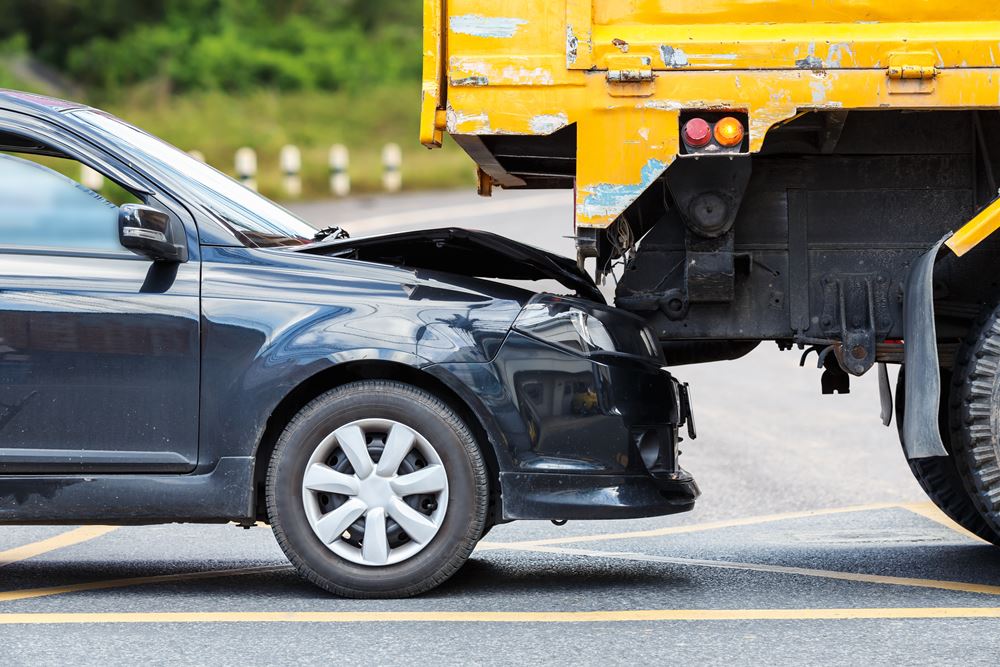
On I-5, rear-end crashes with large trucks can occur under everyday traffic conditions. A driver slowing for traffic, distracted for a moment, or caught off guard by a sudden stop may collide with the back of a trailer. If the trailer lacks a rear guard, the car can slide underneath instead of stopping against the bumper.
At highway speeds, even a brief failure to brake can result in the front of the car entering the space beneath the trailer. The driver compartment can be crushed, leaving passengers trapped or injured. Other cars may also collide in chain-reaction accidents, making congested stretches even more dangerous.
Underride collisions often happen at night or in poor weather, when visibility is reduced. Headlights, glare from other vehicles, or rain on the windshield can hide a trailer until the last second. Even experienced drivers can struggle to respond quickly enough to prevent a collision.
How Trailer Safety Guards Work?
Trailer safety guards, sometimes called underride guards, are steel or reinforced bars attached to the back of trailers. They are designed to prevent cars from sliding underneath in a rear-end crash. When functioning correctly, a trailer safety guard can absorb impact and reduce the severity of injuries.
Unfortunately, many trailers on I-5 are either missing guards, have guards that are damaged, or are installed incorrectly. Some older trailers were built before current safety standards, and enforcement can be inconsistent. Without a guard, the chances of a fatal I-5 underride crash increase significantly, even at moderate speeds.
The federal government has updated rules to improve underride protection in recent years. The National Highway Traffic Safety Administration (NHTSA) requires trailers built after 1998 to include rear guards, but older trailers and certain types of trucks are not always compliant.
Realistic Driving Situations on I-5
Several scenarios illustrate how these crashes happen. During rush hour, cars often weave through lanes, trying to maintain speed. A car following too closely behind a semi-trailer may not see the truck slowing until it’s too late. If the trailer lacks a guard, the car slides under, and injuries are severe.
Another common scenario is long-distance travelers merging onto I-5 from entrance ramps. Drivers accelerating to highway speed may not notice a slow-moving or stopped trailer in the right lane. Nighttime conditions or glare from city lights can further hide the trailer, increasing the risk of a rear-end collision.
Even cautious drivers can be affected. A family driving in the far left lane may encounter a delivery truck slowing for traffic. If the trailer guard is weak or missing, any collision can be catastrophic, leaving little room for escape.
Liability Between Carriers and Manufacturers
After an I-5 underride crash, liability can be complicated. Trucking companies may be responsible if they failed to maintain their equipment or ignored safety inspections. Trailer manufacturers can also be held liable if a rear guard was defective or missing due to design flaws.
Insurance investigations often examine maintenance records, inspection logs, and trailer condition at the time of the crash. Determining whether a trailer met federal safety standards is a key part of establishing responsibility. Carriers that ignore maintenance or operate older trailers without proper guards may face legal claims for negligence.
In some cases, liability can be shared. If the truck operator acted negligently by speeding or braking abruptly, and the trailer manufacturer failed to provide proper safety equipment, both parties can be named in legal action. The goal in these cases is to ensure survivors or families affected by wrongful death can recover damages.
Federal Safety Reforms and Updates
Recent reforms have aimed to improve trailer safety nationwide. The NHTSA has strengthened rules for rear impact guards, requiring them to meet higher strength standards. These updates also address the spacing and attachment of guards to prevent cars from sliding underneath.
In addition, some states have adopted stricter enforcement programs for older trailers, including inspections and fines for noncompliance. Public safety campaigns remind drivers to maintain safe following distances and report trailers that appear unsafe.
Even with these reforms, gaps remain. Many trailers built before modern standards are still in operation on I-5, and compliance checks can be sporadic. Drivers must remain vigilant and assume that any trailer could lack proper underride protection, particularly in high-speed or congested conditions.
What to Do After an Underride Crash: Survivor Options
For survivors of I-5 underride crashes, legal options are available. If injuries or wrongful death result from a trailer collision, consulting a qualified attorney helps identify responsible parties, gather evidence, and pursue claims. Legal action may involve trucking companies, vehicle manufacturers, or others who failed to meet safety requirements.
Gathering details at the scene, including photos of the trailer, license numbers, and vehicle condition, is essential. Witness statements, police reports, and medical records also support a claim. Attorneys can help survivors navigate insurance processes and ensure damages for medical bills, lost income, and other losses are addressed.
Wrongful death claims are sensitive and often involve families who have lost loved ones in preventable accidents. Legal guidance ensures families receive compensation while holding responsible parties accountable.
Legal Guidance After Rear Trailer Underride Crashes on I-5
I-5 underride crashes can have devastating consequences for drivers, passengers, and families. Survivors and families affected by these accidents can seek guidance from qualified attorneys who handle commercial truck collisions.
Professional legal support helps protect rights, collect evidence, and pursue claims related to injuries or wrongful death.
If you or a loved one was involved in an accident on this highway, contact an I-5 accident lawyer today to discuss your case and assess your options.
If you or a loved one has been injured in an accident on Interstate 5, Give us a call today to get the help you deserve!
Realted Posts

Insurance Disputes After I-5 Crashes: How to Handle...
Thousands of drivers ride Interstate 5 every day. This highway connects major cities, such as...

Animal Collisions on I-5: What Happens When Wildlife...
Animal collisions are a serious and often underestimated danger on Interstate 5 (I-5). Stretching from...

Truck Brake Failures on I-5 Mountain Passes
Interstate 5 (I-5) is a critical freight corridor on the West Coast, carrying massive volumes...
Accidents currently listed on i5accidents.com
30 accidents in 2022
354 accidents in 2022
4 accidents in 2022
1 accident in 2022
1 accident in 2022