




,
How Snow and Ice Affect Driving on I-5 Mountain Passes


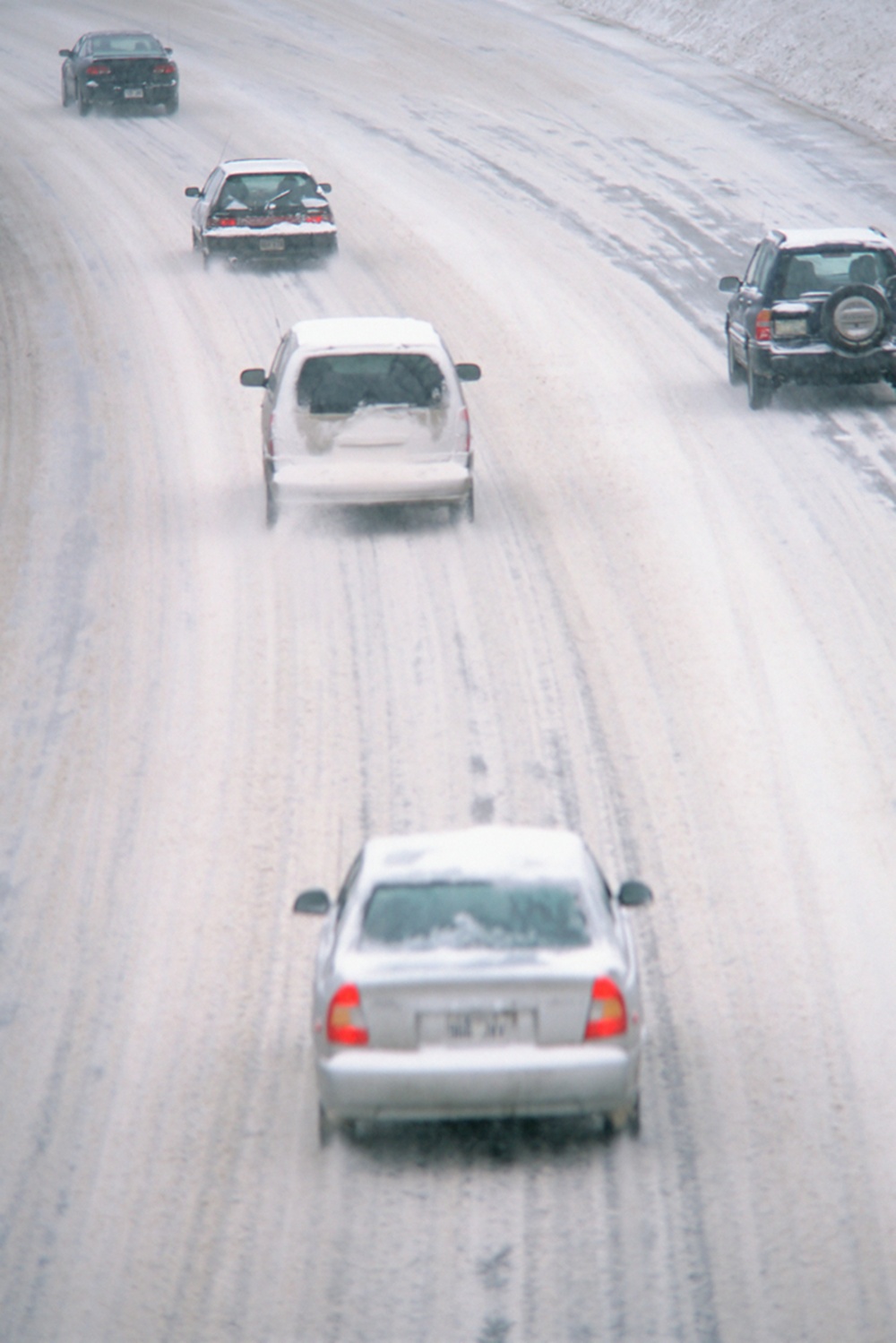
Drivers who ride Interstate 5 year-round know that mountain passes change the feel of the road. When snow and ice move in, those changes become sharper and more sudden. Clear pavement can turn slick within minutes, and traffic that usually flows can slow to a crawl or stop entirely.
For commuters, families on road trips, and long-haul travelers, winter road conditions on the highway demand a different level of attention.
Here, we explore how snow and ice can affect your driving experience on this highway and what you can do to stay safe during these scenarios.
Why Mountain Passes on I-5 Are Different in Winter
Snow and ice driving on I-5 is shaped by elevation, weather patterns, and how drivers respond when conditions shift. Mountain passes along the route create narrow windows where storms hit harder and linger longer. Even experienced drivers can be caught off guard when the road looks clear one mile and glazed the next.
Mountain passes sit higher than the surrounding stretches of interstate. That extra elevation means colder air, stronger winds, and faster weather changes. A light rain at lower levels may fall as snow near the summit, and melting snow can refreeze once the sun drops.
These areas often sit between climates. Drivers climb out of dry or wet pavement into snow-packed lanes without much warning. Road crews work hard to keep lanes open, but conditions can change faster than plows can keep up.
The shape of the road also matters. Curves tighten, grades steepen, and sightlines shorten. Snowbanks and blowing snow can hide lane edges, making the road feel narrower than it really is.
Black Ice and Sudden Loss of Traction
One of the most dangerous winter road conditions on the highway is black ice. It forms when moisture freezes into a thin, nearly invisible layer. Drivers may not realize it’s there until tires lose grip.
On I-5 mountain passes, black ice often forms in shaded areas, under overpasses, and on bridges. These spots stay colder longer, even when nearby pavement looks dry. Early mornings and evenings are especially risky as temperatures dip.
When a vehicle hits black ice, steering and braking can feel delayed or useless for a moment. Small corrections can turn into spins, especially at highway speeds. Multi-vehicle crashes often begin this way, with one car sliding and others reacting too late.
Snow Buildup and Changing Lane Conditions
Snow rarely falls evenly across a mountain pass. Wind pushes it into drifts, and traffic packs it into hard layers. One lane may be slushy while the next is slick and icy.
As snow builds, lane markings fade. Drivers rely on tire tracks ahead of them, which can pull vehicles toward ruts or uneven surfaces. Larger vehicles may carve deeper grooves that smaller cars struggle to stay out of.
Passing becomes more difficult. Drivers hesitate to change lanes, but slow vehicles can create long lines of traffic. When someone does try to pass, the move can trigger sudden braking or loss of control.
How Speed Feels Different on Snow and Ice
Speed perception changes in winter conditions. A car moving at 45 mph on dry pavement feels slow on an open highway. On snow or ice, that same speed can be too fast for the available traction.
On I-5 mountain passes, downhill stretches are especially tricky. Gravity pushes vehicles forward, and braking distances grow longer. Drivers may not feel the buildup until they need to slow suddenly for traffic ahead.
Many crashes start with a simple misread of road grip. A driver feels steady for miles, then enters a colder pocket where the road has frozen. The difference can be just enough to cause sliding during routine braking.
Chain Controls and Traffic Flow Disruptions
When snow piles up, chain controls often go into effect on I-5 mountain passes. These checkpoints slow traffic as drivers pull over to install chains or wait for escorts.
Even drivers who don’t need chains are affected. Lanes narrow, speeds drop, and congestion grows near control points. Long backups can form quickly, especially during storms or holiday travel periods.
Stopping and starting in snowy conditions increases the chance of rear-end collisions. Vehicles struggle to regain traction from a standstill, and gaps between cars shrink as patience wears thin.
Driver Fatigue and Winter Stress
Winter driving demands more focus. Constant scanning for slick spots, changing speeds, and reacting to other drivers takes a toll. On long stretches of I-5, fatigue can creep in faster than expected.
White or gray surroundings reduce contrast, making it harder to judge distance. Falling snow and spray from other vehicles limit visibility. Headlights reflect off flakes and ice, creating glare that strains the eyes.
As fatigue sets in, reaction times slow. Drivers may miss subtle changes in road texture or traffic flow. In mountain pass conditions, those small delays can have serious consequences.
When Crashes Happen in Snow and Ice
Crashes during ice driving on I-5 often involve multiple vehicles. Reduced traction and visibility leave little room for error. One slide or spin can block lanes and trigger a chain reaction.
Clearing these crashes takes time. Emergency vehicles move more slowly, tow trucks face traction issues, and weather continues to affect the scene. Traffic can back up for miles, trapping drivers in cold conditions.
Even after lanes reopen, residual ice and packed snow remain. Traffic may move cautiously for hours, and secondary crashes can happen as drivers grow impatient.
Adjusting Expectations for Winter Travel
Winter travel through mountain passes requires different expectations. Trips take longer. Delays are common. Turning around or waiting out a storm may be the safest choice.
Drivers who plan for slower travel tend to make calmer decisions. Leaving extra space, easing off the accelerator early, and accepting delays can reduce stress and lower the chance of a crash.
Snow and ice don’t just affect vehicle handling. They shape how traffic behaves as a whole. Recognizing that shared challenge can lead to more patient driving.
Legal Guidance After a Winter Crash on I-5
Crashes on snowy or icy mountain passes can raise questions about responsibility and next steps. Road conditions, visibility, and traffic controls often factor into what happened.
If you were involved in a winter-related crash on I-5, speaking with an attorney may help clarify your options. An attorney can review the circumstances, explain how insurance claims are usually handled, and help you decide how to move forward based on your situation.
Contact an I-5 accident lawyer today to discuss your case and assess your options.
If you or a loved one has been injured in an accident on Interstate 5, Give us a call today to get the help you deserve!
Realted Posts
What Should I Do If My Car Breaks...
Breaking down on I-5 can be stressful, especially with fast-moving traffic rushing past. Whether you...

What to Do If You’re Injured in a...
Multi-vehicle accidents are among the most complex and dangerous types of crashes on California’s roadways....

Where Do I-5 Accident Reports Come From?
After a collision on Interstate 5, a structured process begins to document the event for...
Accidents currently listed on i5accidents.com
7 accidents in 2022
73 accidents in 2022
1 accident in 2022
1 accident in 2022