




,

Fatal Nighttime Accidents on I-5: Why Darkness Increases Risk


Nighttime driving on Interstate 5 carries additional hazards that increase the likelihood of severe collisions. Reduced visibility, driver fatigue, and poorly lit sections of the interstate combine to make accidents after dark more frequent and more serious.
I-5 nighttime crash patterns often involve rear-end collisions, lane departure accidents, and single-vehicle crashes, particularly in rural stretches or areas with limited shoulder lighting. Keep reading to understand what you can do to have a safer ride on I-5 if you’re driving at night.
Reduced Visibility on I-5
Darkness inherently limits what drivers can see. Lane markings, road signs, and traffic changes appear later than during daylight, leaving less reaction time. Glare from headlights, reflective surfaces, or oncoming vehicles can momentarily blind drivers.
On rural stretches of I-5 in Oregon, Washington, or northern California, these low-visibility conditions are especially pronounced. Even minor obstacles, such as debris or animals crossing the road, can trigger sudden maneuvers that lead to fatal nighttime crashes.
Visibility drops further in areas with inconsistent lighting, such as long gaps between overhead lights, bridge approaches, or wooded corridors where shadows hide movement along the shoulder. Rain can wash out pavement markings, while fog settles unevenly and reduces depth perception.
Large trucks on I-5 add another layer of difficulty, as their size blocks sightlines and their spray during wet conditions obscures vehicles behind them.
Drivers approaching curves, interchanges, or poorly marked exits may not recognize changes in traffic flow until they are very close. Slowing down earlier, watching for changes in headlight patterns ahead, and avoiding fixation on glare can help drivers respond more smoothly when visibility is limited.
Fatigue and Night Driving
Driver fatigue is a major contributor to I-5 nighttime crash risk. Long stretches of freeway, limited visual stimulation, and late-night driving can reduce alertness. Fatigued drivers may react more slowly, drift between lanes, or fail to maintain safe following distances.
The signs of fatigue are often subtle at first. Drivers may miss exits, overlook traffic signals, or feel heavy eyelids without realizing their attention has slipped. At highway speeds, even brief lapses can have serious consequences.
Commercial drivers and travelers covering long distances overnight face added strain, especially when rest breaks are delayed.
Pulling over at rest areas, rotating drivers when possible, and recognizing early warning signs can reduce the chance of a fatigue accident before it escalates.
Poorly Lit Sections and Environmental Hazards
Certain stretches of I-5 lack consistent roadway lighting, especially outside metro areas or near bridges, interchanges, and long overpasses. In these zones, drivers rely almost entirely on headlights, which limits how far ahead hazards can be seen. Lane markings may fade into the pavement, and curves or lane drops can appear suddenly. A stopped vehicle on the shoulder or partially in a lane may not be visible until the last moment.
Environmental conditions often compound these issues. Rain can reflect headlights back toward drivers, reducing contrast and depth perception. Fog can compress visibility so quickly that traffic ahead seems to appear out of nowhere. In colder areas or early morning hours, frost or ice may form on bridges before drivers notice a change in traction.
Wildlife crossings on I-5 and wind-blown debris are also more common in darker, rural sections. Slowing down early and avoiding sharp steering or braking helps drivers respond when these hazards emerge without warning.
Legal Standards in Low-Visibility Accidents
Proving negligence in nighttime crashes involves evaluating driver behavior against reasonable standards under the circumstances. Courts consider whether a driver adjusted speed for darkness, used headlights properly, and maintained attentive control.
Evidence such as dashcam footage, witness statements, and roadway lighting assessments can show whether a driver acted responsibly or contributed to a fatal I-5 nighttime crash.
Investigators may also review braking patterns, vehicle position, and whether drivers followed traffic laws related to visibility and safe speed. In low-light conditions, failure to reduce speed or recognize a visibility hazard can weigh heavily in fault determinations. Consistent records from police reports and scene documentation often play a central role in reconstructing how a nighttime collision unfolded.
Additional factors may include weather conditions, glare from oncoming traffic, and whether reflective signage or lane markings were present and visible at the time of the crash. Courts often examine whether a driver had sufficient time and distance to perceive and react to hazards, such as stopped vehicles, debris, or pedestrians.
Expert testimony, including accident reconstruction analysis, may also be used to determine how darkness affected perception and response time, helping clarify whether reasonable care was exercised under the circumstances.
Prevention Tips for Nighttime Drivers
Reducing risk after dark starts with adjusting habits to match conditions. Slowing slightly gives more time to react when hazards appear late in the headlight beam. Extra following distance helps avoid sudden braking when traffic ahead changes speed.
Clean, well-aimed headlights improve contrast and lane visibility, especially on stretches without street lighting. Fatigue often sets in during overnight drives, so planned rest stops can make a meaningful difference.
You should also watch road edges for movement, since animals and debris are harder to spot at night. Staying patient and alert lowers the chance of serious nighttime crashes on I-5.
You can also limit glare by dimming dashboard lights and avoiding direct eye contact with oncoming headlights. Keeping the windshield clean inside and out reduces light scatter that can blur vision. Using high beams when appropriate, and switching back promptly when traffic approaches, improves visibility without affecting other drivers.
In addition, checking mirrors frequently helps spot faster vehicles approaching from behind in low-light conditions.
If visibility drops suddenly due to fog or heavy rain, slowing further and avoiding lane changes can prevent loss of control. Small adjustments like these add up, helping drivers stay oriented and responsive during nighttime travel on I-5.
Consult a Lawyer After a Nighttime Crash on I-5
Fatal or serious I-5 nighttime crashes often involve complex liability issues. Consulting a lawyer ensures evidence such as dashcam footage, accident reports, and witness statements is preserved.
Legal guidance can help you understand your rights. Your lawyer can handle insurance matters or potential legal actions while you focus on your recovery.
If you or a loved one was involved in an accident on this highway, contact an I-5 accident lawyer today to discuss your case and assess your options.
If you or a loved one has been injured in an accident on Interstate 5, Give us a call today to get the help you deserve!
Realted Posts

What to Do If You’re Injured in a...
Multi-vehicle accidents are among the most complex and dangerous types of crashes on California’s roadways....
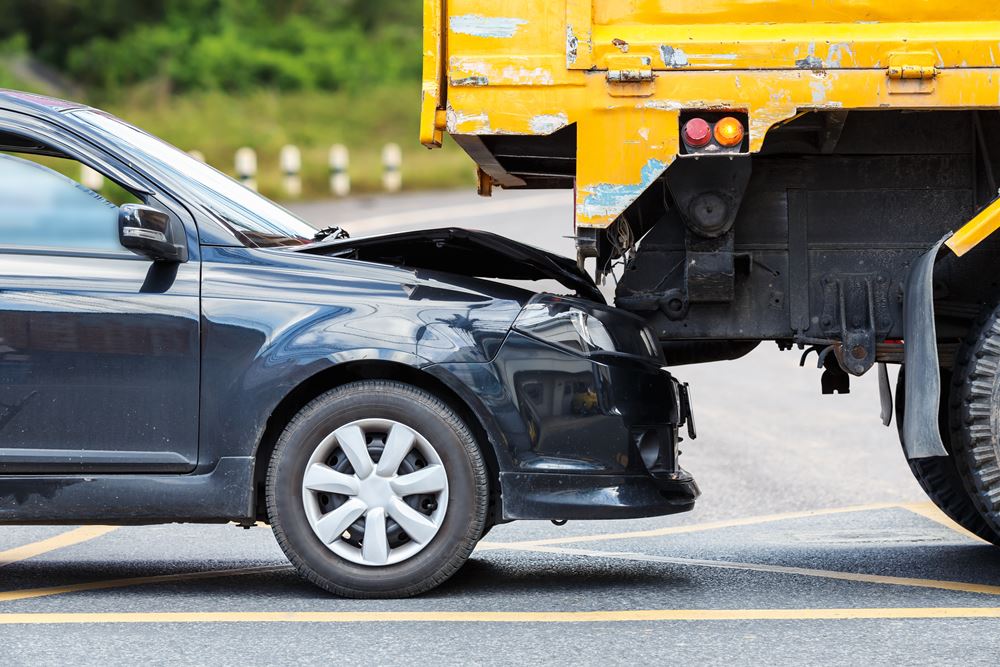
Rear Trailer Underride Accidents on I-5
Driving on I-5 is a daily reality for commuters, travelers, and families, but it carries...

Vehicle Fires After I-5 Collisions: Causes and Legal...
Crashes on I-5 often involve high speeds, dense traffic, and heavy commercial vehicles. In some...
Accidents currently listed on i5accidents.com
30 accidents in 2022
353 accidents in 2022
4 accidents in 2022
1 accident in 2022
1 accident in 2022