




,
Interstate 5 Bridge Crashes: When Infrastructure Fails


Bridges are critical links on the U.S. interstate system, yet when structural defects go unnoticed, the consequences can be catastrophic. Interstate 5 spans hundreds of miles, connecting urban centers, rural stretches, and major freight corridors.
Bridge failures along I-5 can lead to severe accidents, significant property damage, and tragic injuries. A practical review of past incidents, structural inspection issues, and government liability can help highlight the importance of bridge safety and maintenance.
Notable I-5 Bridge Failures
One of the most widely publicized incidents was the 2013 Skagit River Bridge collapse in northern Washington. A cargo truck struck the bridge’s overhead support, causing a large section to fall into the river. Two drivers died, several were injured, and traffic was disrupted for weeks.
Investigators found the bridge had long-standing structural concerns, though it had passed routine inspections. The collapse highlighted how even inspected bridges can contain hidden vulnerabilities that pose serious risks to interstate travelers.
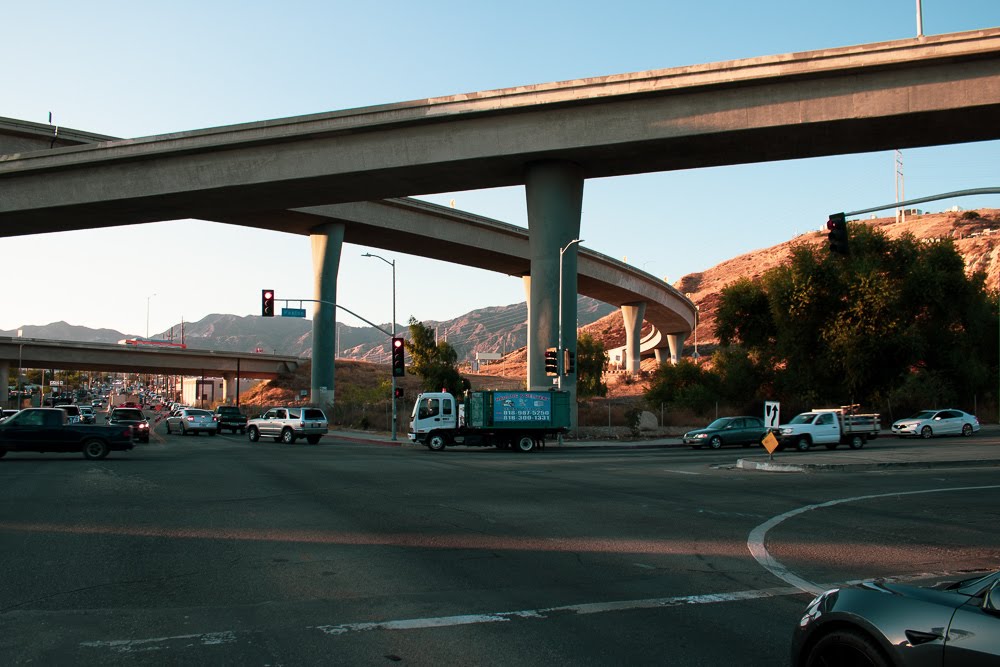
In California, several viaducts along I-5 in the Los Angeles area have faced temporary closures due to cracks, corrosion, or other defects discovered during inspections. While these incidents did not result in collapse, they caused significant detours and highlighted ongoing risks on older infrastructure.
How Structural Defects Contribute to Crashes
Bridges can fail due to a variety of structural defects. Corrosion of steel supports, fatigue cracks in concrete, and damaged expansion joints can reduce a bridge’s load-bearing capacity. Over time, even minor flaws can develop into critical weaknesses if not addressed.
Traffic accidents on bridges may occur before total collapse. Spalling concrete, missing guardrails, or unstable sections can cause vehicles to swerve, brake suddenly, or collide. On high-speed routes like I-5, these hazards increase the likelihood of chain-reaction crashes on I-5 and multi-vehicle incidents as well.
Even small debris or uneven surfaces caused by deteriorating structural elements can trigger rear-end collisions, especially during rush hours or in low-visibility conditions. Drivers encountering these hazards must react quickly, but sudden maneuvers on a bridge can themselves create new risks.
Inspection Records and Oversight
Bridges on the interstate system are subject to regular inspections mandated by federal and state law. The Federal Highway Administration (FHWA) requires routine bridge inspections at intervals generally no longer than 24 months, with additional evaluations if deficiencies are found.
Despite these regulations, gaps in inspections or delayed maintenance have been linked to accidents. For example, the Skagit River Bridge had been rated as “structurally deficient” in prior reports, yet repairs or restrictions were not implemented before the collapse. These records are crucial for understanding liability and planning preventative measures.
Government and Public Entity Liability
When a bridge fails, liability may extend beyond the driver to government agencies responsible for construction, inspection, and maintenance. Municipal, state, and federal entities can face legal claims if negligence in upkeep or monitoring contributed to an accident.
Courts have recognized that municipalities and state DOTs can be held accountable when infrastructure defects are known (or should have been known) and not addressed. Claims often involve evaluating inspection reports, repair histories, and whether warnings about structural issues were properly acted upon.
Regional Examples of I-5 Bridge Hazards
Beyond the Skagit River collapse, California has faced several incidents of bridge closures due to structural concerns along I-5’s viaducts and freeway overpasses. These cases illustrate how corrosion, seismic retrofitting needs, and concrete fatigue can temporarily shut down traffic and create accident risk.
In Oregon and Washington, smaller bridge failures or partial collapses during floods or heavy load incidents have also caused injuries and collisions. Even minor damage, such as cracked supports or uneven surfaces, can force drivers to brake suddenly or swerve, contributing to rear-end and multi-vehicle crashes.
While most bridges remain safe, these events underscore the importance of ongoing monitoring, maintenance, and driver vigilance along high-speed interstate routes.
Preventing Bridge-Related Crashes
Reducing the risk of I-5 bridge crashes requires coordinated efforts from transportation agencies, drivers, and engineers. Timely inspections, maintenance, and repairs are critical. Drivers should observe posted load limits, bridge warnings, and construction signs. Avoiding sudden lane changes or aggressive driving near maintenance zones reduces the likelihood of collisions caused by compromised structures.
Federal and state resources, such as the FHWA’s bridge safety program, provide guidance on inspection standards and best practices. Regular monitoring of bridge conditions and prompt public reporting of damage or hazards are essential for preventing catastrophic incidents.
Investigating and Preserving Evidence After a Bridge Crash
Accidents on or near bridges can involve complex liability questions. Preserving evidence such as vehicle positions, structural damage, dashcam footage, and official inspection records is essential. Investigators may examine prior inspection reports, maintenance logs, and traffic patterns to determine if a structural defect contributed to the crash.
For those involved in a bridge-related collision, documenting the scene and consulting with an attorney familiar with infrastructure liability can protect legal rights and ensure claims related to government negligence are properly handled.
Why You Should Consult a Lawyer After an I-5 Bridge Crash
I-5 bridge crashes, while rare, demonstrate the consequences of aging infrastructure and unaddressed structural defects. Past incidents like the Skagit River collapse and California viaduct cases highlight the need for regular inspections, timely repairs, and driver awareness. Public agencies bear responsibility for maintaining safe bridges, and drivers must remain alert when crossing spans with known maintenance concerns.
If you or a loved one is injured in an accident linked to a bridge collapse, structural defect, or unsafe condition on I-5, consulting a qualified attorney can help protect your rights. Legal guidance can assist with preserving evidence, reviewing inspection and maintenance records, and navigating claims against governmental entities.
Early consultation ensures critical documentation, such as inspection logs, repair histories, witness statements, and video evidence, is preserved. A lawyer can explain potential avenues for compensation while you focus on recovery.
Get in touch with an I-5 accident lawyer today to discuss your case and understand your options.
If you or a loved one has been injured in an accident on Interstate 5, Give us a call today to get the help you deserve!
Realted Posts

How Long Does It Take Police to Respond...
On Interstate 5, police response time to a highway crash depends on logistics, weather, and...

Motorcycle Group Rides on I-5: Safety Guidelines and...
Motorcycle group rides along Interstate 5 are a favorite pastime for riders across California, Oregon,...

I-5 Work Zone Speed Traps: Are They Legal?
Construction on major highways such as Interstate 5 brings traffic disruptions that most drivers are...
Accidents currently listed on i5accidents.com
30 accidents in 2022
353 accidents in 2022
4 accidents in 2022
1 accident in 2022
1 accident in 2022